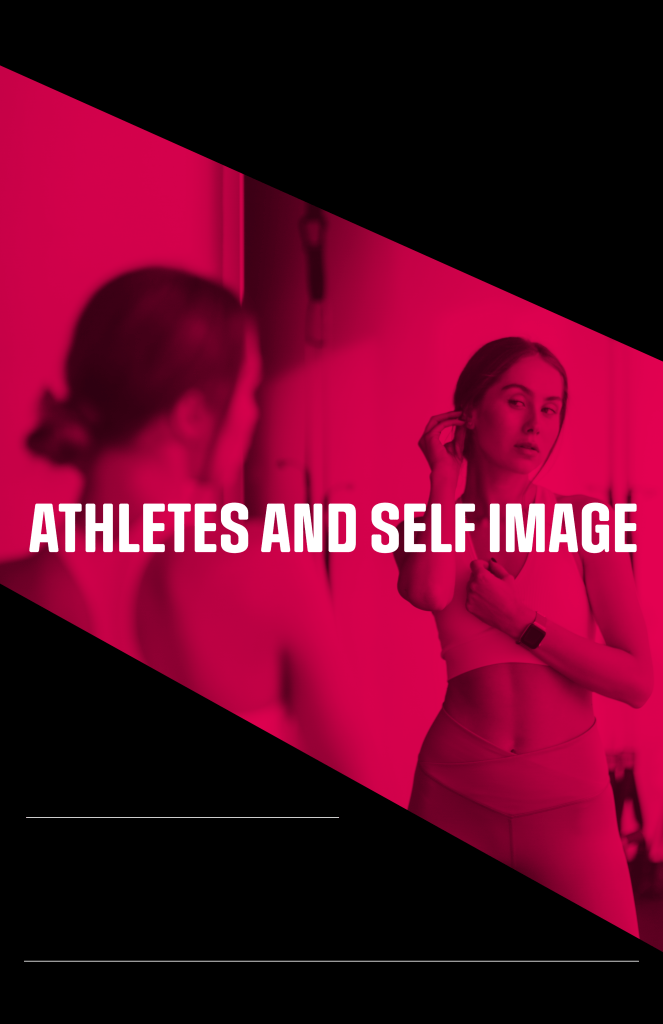
In the realm of professional sports, athletes are often seen as the epitome of physical prowess and mental fortitude. They embody the ideals of strength, agility, and peak performance. Yet, behind the facade of excellence lies a complex relationship with self-image, one that is frequently underpinned by external expectations, intense scrutiny, and an unrelenting pursuit of perfection. For many professional athletes, managing their self-image amidst these pressures becomes as challenging as the competition itself.
The Unique Self-Image Challenges for Athletes
- Constant Public Scrutiny
Unlike most professions, athletes’ performances and appearances are consistently in the public eye. Every game, match, or event is broadcasted, dissected, and discussed by fans, media, and critics alike. This constant scrutiny creates a pressure to maintain not only peak performance but also an idealized physical image. Athletes are often expected to conform to societal standards of attractiveness and fitness, which can be an immense burden. - The Impact of Social Media
Social media has amplified the pressure on athletes to maintain a certain self-image. Platforms like Instagram and Twitter allow for direct interaction with fans and critics, exposing athletes to both praise and criticism. While positive reinforcement can boost an athlete’s confidence, negative comments about their appearance, weight, or performance can lead to self-doubt and a distorted self-image. - The Pursuit of Perfection
Athletes are conditioned to strive for perfection, whether it’s hitting the perfect shot, running the fastest time, or achieving the ideal physique. This relentless pursuit can lead to unhealthy comparisons and a never-ending cycle of self-criticism. When perfection becomes the standard, anything less can feel like failure, impacting an athlete’s self-esteem and overall mental health. - Injuries and Body Changes
Injuries are an inevitable part of an athlete’s career. However, they can have a profound impact on an athlete’s self-image. The physical changes resulting from injury, such as weight gain or muscle loss, coupled with a temporary or permanent reduction in performance, can lead to feelings of inadequacy and a sense of lost identity. Athletes often tie their self-worth to their physical capabilities, and any disruption in this can be psychologically challenging.
Cultivating a Healthy Self-Image in Professional Sports
- Self-Compassion Over Self-Criticism
Athletes are often their own harshest critics. Learning to practice self-compassion can help shift the internal narrative from one of judgment to one of understanding. Acknowledging that setbacks, mistakes, and imperfections are part of the human experience can foster a healthier self-image and promote resilience in the face of adversity. - Redefining Success and Worth
Success in sports is frequently measured by wins, records, and physical accomplishments. However, it’s important for athletes to develop a broader definition of success that includes personal growth, effort, and the ability to inspire others. Recognizing that their worth is not solely tied to their athletic performance or appearance can be liberating and empowering. - Mindfulness and Mental Health Support
Incorporating mindfulness practices and seeking support from mental health professionals can play a crucial role in helping athletes manage the pressures related to self-image. Mindfulness can aid in staying present and reducing the impact of negative self-judgment, while therapy or counseling can provide a safe space to explore and address self-image concerns. - Positive Role Models and Mentorship
Connecting with role models who have navigated similar challenges can provide valuable perspective and encouragement. Mentorship from former athletes or professionals who understand the unique pressures of sports can offer guidance and support, helping current athletes build a more balanced and positive self-image. - Balanced Media and Social Media Use
Athletes can benefit from setting boundaries around their media and social media consumption. Limiting exposure to negative commentary and curating a feed that promotes positivity, diversity, and body acceptance can help mitigate the impact of external scrutiny on self-image.
Conclusion
Professional athletes face a unique set of challenges when it comes to self-image. The demands of their sport, combined with public scrutiny and the pressure to maintain an idealized image, can take a toll on their mental health and self-perception. By fostering self-compassion, redefining success, and seeking support, athletes can navigate these pressures more effectively and cultivate a healthier relationship with their self-image.
It’s crucial for coaches, teammates, and the broader sports community to recognize the complexities of self-image issues in athletes and provide a supportive environment that values them for more than just their physical abilities or achievements. After all, true strength lies not just in physical prowess but in the courage to embrace one’s authentic self, imperfections and all.

Leave a comment